
Newborn Puppy Vet Schedule: What to Expect and When
The newborn puppy vet schedule starts with a first vet visit at 6–8 weeks old for a wellness exam and initial vaccinations, followed by boosters every 3–4 weeks until 16–20 weeks, plus rabies vaccine at 12–16 weeks.
Newborn Puppy Vet Schedule: Week-by-Week Guide
Puppies grow and change incredibly fast in the first eight weeks. This week-by-week guide outlines the recommended vet visits, vaccinations, and developmental milestones to keep your newborn puppy healthy. Our team at Austin Veterinary Care in Forest Hills follows these guidelines to protect your puppy from serious diseases like distemper and parvovirus.
| Age | Vet Visit / Vaccination | Key Milestones |
|---|---|---|
| Birth–2 weeks | No vet visit yet; deworming starts at 2 weeks (often done by breeder) | Eyes and ears closed; relies on mother for warmth and feeding |
| 2–4 weeks | Deworming repeated every 2 weeks; first vet check if health concerns arise | Eyes open (around 10–14 days); begins to crawl and stand |
| 4–6 weeks | First vet visit recommended for wellness exam and initial deworming | Starts eating soft food; teeth begin to emerge; socializes with littermates |
| 6–8 weeks | First vaccination (DHPP) and vet exam; microchipping often done | Weaned from mother; ready for new home; first shots given |
| 8–12 weeks | Second DHPP booster; heartworm test and prevention start | Rapid growth; house training begins; socialization window open |
| 12–16 weeks | Third DHPP booster; rabies vaccine (at 12–16 weeks); Bordetella if needed | Adult teeth start coming in; can begin puppy classes |
| 16–20 weeks | Final DHPP booster; rabies booster if not given earlier; spay/neuter discussion | All core vaccines complete; adolescent stage begins |
This schedule is a general guideline. Your vet may adjust timing based on your puppy’s health, breed, and local disease risk. Always consult your veterinarian for a personalized plan.
Newborn Puppy Care: Feeding, Warmth, and Development
Caring for a newborn puppy at home requires attention to warmth, nutrition, and hygiene. Whether you're a breeder or a new owner, these steps will help you support your puppy's development from birth through 8 weeks.
- Keep them warm. Newborn puppies cannot regulate their body temperature. Use a heating pad set on low under half of their bedding, so they can move away if too warm. Maintain an ambient temperature around 85–90°F for the first week, then gradually decrease.
- Feed properly. If the mother is unavailable, feed a commercial puppy milk replacer using a bottle or syringe. Never use cow's milk. Feed every 2–3 hours for the first two weeks, then gradually extend intervals. Puppies should gain weight daily—use a kitchen scale to monitor.
- Stimulate elimination. For the first 3 weeks, puppies cannot urinate or defecate on their own. Gently rub their genital area with a warm, damp cloth after each feeding to stimulate elimination.
- Monitor weight and health. Weigh puppies daily at the same time. A steady weight gain indicates healthy development. Watch for signs of illness like lethargy, poor appetite, or diarrhea, and contact your vet if concerns arise.
- Introduce solid food gradually. Around 3–4 weeks, start offering a gruel made from puppy milk replacer and high-quality puppy food. Over the next few weeks, reduce the liquid until they are eating dry kibble by 8 weeks.
- Socialize gently. From 3–8 weeks, handle puppies briefly each day, expose them to gentle sounds and different surfaces, and allow interaction with their mother and littermates. This builds confidence and reduces fear later.
For personalized guidance, our team at Austin Veterinary Care in Forest Hills is here to help. You can also explore our resource on [[what-is-the-healthiest-thing-to-feed-a-puppy|what is the healthiest thing to feed a puppy]] for more nutrition tips.


Puppy Vaccination Schedule: Shots Your Newborn Needs
Vaccinations are essential to protect your puppy from serious diseases. The core vaccines—distemper, parvovirus, adenovirus, and rabies—are recommended for all puppies. Here's a typical schedule:
| Vaccine | Age Given | Booster Schedule |
|---|---|---|
| DHPP (Distemper, Hepatitis, Parvovirus, Parainfluenza) | 6–8 weeks | Every 3–4 weeks until 16–20 weeks |
| Rabies | 12–16 weeks | 1 year later, then every 1–3 years |
| Bordetella (kennel cough) | 8–12 weeks (if needed) | Annually |
| Leptospirosis | 12 weeks (optional, based on risk) | Annually |
Your vet may recommend additional vaccines based on your puppy's lifestyle and local disease prevalence. Puppies usually have a course of three vaccinations, normally given 4 weeks apart, starting around 6–8 weeks of age. Learn more about [[low-cost-vet-mobile-near-me|low cost mobile vet near me]] options if cost is a concern.
What to Expect at Your Puppy's First Vet Visit
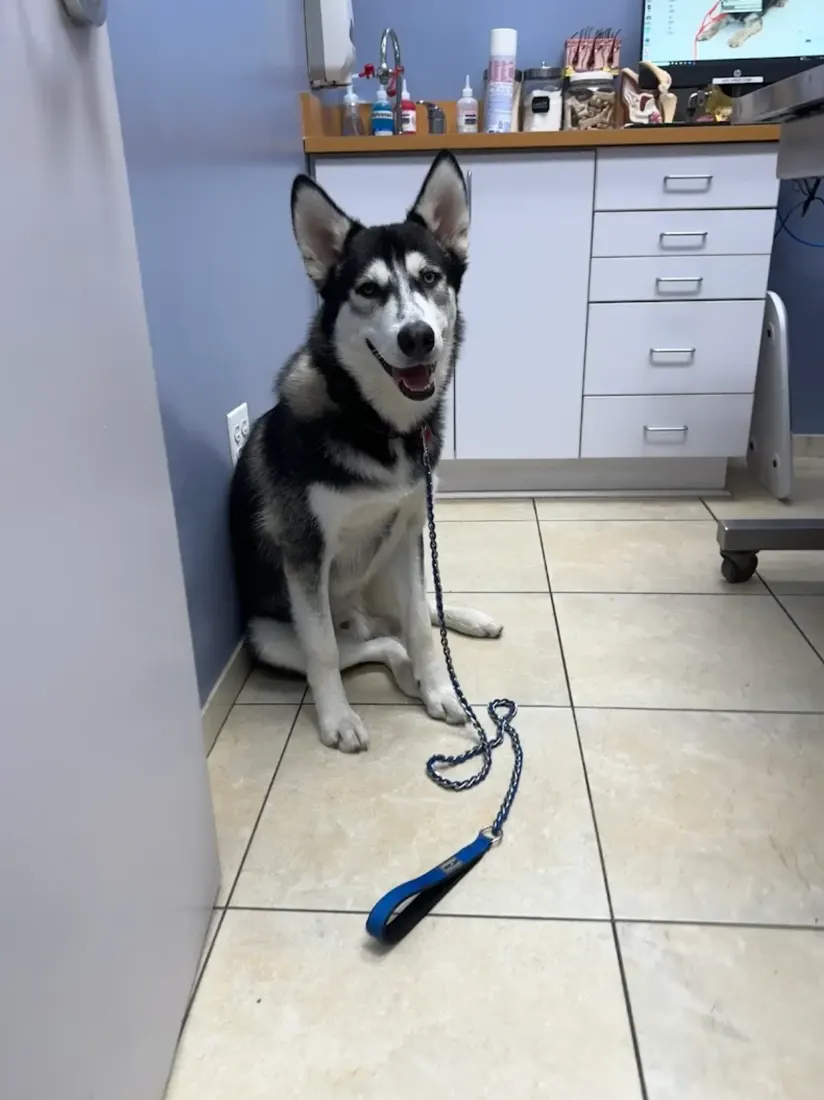
Bringing your puppy to the vet for the first time can feel overwhelming. Here's what typically happens during that initial checkup at our Forest Hills clinic:
- Health history review. We'll ask about your puppy's background, diet, elimination habits, and any concerns you have.
- Complete physical exam. We check eyes, ears, mouth, heart, lungs, abdomen, skin, and coat. We'll also assess weight, temperature, and overall condition.
- Vaccination and deworming. Your puppy will receive their first DHPP vaccine and, if due, deworming medication.
- Fecal exam. We test a stool sample to check for intestinal parasites.
- Microchipping and heartworm test. We discuss microchipping for identification and perform a heartworm test if your puppy is over 6 months old.
- Parasite prevention and nutrition plan. We recommend flea/tick and heartworm prevention, plus a diet tailored to your puppy's needs.
We make the experience calm and positive. Bring your puppy's medical records if you have them, and a fecal sample less than 24 hours old. For more details, see our guide on [[what-to-expect-first-vet-visit-kitten|what to expect first vet visit kitten]] (the process is similar for puppies).
Canine distemper
Canine distemper is a highly contagious viral disease that affects dogs and other mammals, attacking the respiratory, gastrointestinal, and nervous systems. Symptoms include fever, coughing, vomiting, diarrhea, and neurological signs like seizures. The virus spreads through airborne droplets and direct contact, and it can be fatal, especially in unvaccinated puppies. Vaccination is the only reliable prevention, which is why following a complete puppy vaccine schedule is critical. For your puppy, staying on track with distemper boosters from 6–8 weeks through 16–20 weeks is the best way to protect them from this devastating illness.
Directions to our vet in Forest Hills from United States Post Office
Start at United States Post Office and head to Austin Veterinary Care at 68-60 Austin St Store #8, Forest Hills, NY 11375.
16 Questions to Ask Your Vet at the First Puppy Visit
A good fit if you want to be fully prepared
- You want to understand your puppy's health status and risks.
- You need clear guidance on vaccinations, diet, and training.
- You value a proactive approach to preventive care.
Consider another option if you prefer a less structured visit
- You feel comfortable trusting the vet's recommendations without a list.
- You have limited time and want a quick checkup.
To make the most of your visit, ask your vet: What is the ideal feeding schedule? When should I start house training? What signs of illness should I watch for? How do I socialize my puppy safely? What parasite prevention do you recommend? When should I schedule the next visit? Is spay/neuter recommended and when? What is the best way to crate train? How do I trim nails safely? What treats are safe? How do I introduce my puppy to other pets? What is the best way to handle teething? How do I prevent separation anxiety? What is the best way to clean my puppy's ears? How do I brush my puppy's teeth? What should I do in case of an emergency? For more resources, check our [[free-dog-quality-of-life-calculator|free dog quality of life calculator]] to monitor your puppy's well-being.
Puppy Challenges: House Training, Sleep, and Alone Time
Raising a puppy comes with common hurdles. House training requires patience: take your puppy out every 1–2 hours, after meals, and after naps. At 8 weeks, a puppy can hold its bladder for about 2–3 hours during the day, but not all night—expect a middle-of-night potty break. By 9–12 weeks, some puppies can sleep through the night, but it varies. Alone time should be introduced gradually. A 9-week-old puppy should not be left alone for more than 2–3 hours, and never for 4 hours at 7 weeks. Walking is safe once your puppy has had at least their second DHPP vaccine (around 10–12 weeks), but you can carry them outside for brief exposure earlier. The hardest month is often around 4–6 months when teething and adolescence begin. For more tips, see our article on [[what-month-is-hardest-with-a-puppy|what month is hardest with a puppy]].
Puppy Vet Costs: Exam Fees and Shot Prices
Costs for puppy veterinary care vary based on location, clinic, and services. Below are typical factors that influence pricing. For exact pricing, contact our Forest Hills clinic for a quote.
| Factor | Why It Matters | Typical Range |
|---|---|---|
| Wellness exam fee | First visit includes a full physical exam and consultation | $50–$100 |
| DHPP vaccine (per dose) | Core vaccine given in a series of 3–4 doses | $20–$40 per dose |
| Rabies vaccine | Required by law; given at 12–16 weeks | $20–$40 |
| Bordetella vaccine | Optional but recommended for social dogs | $20–$35 |
| Deworming (per treatment) | Given every 2 weeks from 2–8 weeks old | $15–$30 per treatment |
| Fecal exam | Checks for intestinal parasites | $30–$60 |
| Microchipping | Permanent identification; one-time fee | $40–$70 |
| Spay/neuter surgery | Recommended at 4–6 months; cost varies by size and sex | $150–$600 |
We accept major credit cards, cash, and CareCredit. New clients receive a free first exam (terms apply). For additional financial assistance resources, visit our page on [[how-do-i-pay-my-vet-bill-if-i-have-no-money|how do I pay my vet bill if I have no money]].
When to Bring Your New Puppy to the Vet
After bringing your new puppy home, schedule their first vet visit within the first few days—ideally within 48–72 hours. This is especially important if you adopted from a shelter or rescue. Here's what to do:
- Call to schedule. Contact Austin Veterinary Care at (718) 480-6100 to book your puppy's first exam. We offer same-day urgent care during business hours for new concerns.
- Bring records. If available, bring any vaccination or health records from the breeder or shelter.
- Prepare a fecal sample. Collect a fresh stool sample (less than 24 hours old) for parasite testing.
- Arrive early. Allow 10–15 minutes for paperwork and to settle your puppy before the exam.
Our clinic is located at 68-60 Austin St Store #8, Forest Hills, NY 11375, and we are open Monday 9 AM–6 PM, Tuesday 10 AM–7 PM, Thursday 10 AM–7 PM, and Friday 9 AM–6 PM (closed weekends). We serve families from Forest Hills, Rego Park, Kew Gardens, and surrounding Queens neighborhoods.
For details on services and visits, see the main page about vet forest hills.
Sources
Also asked as
- What is the vaccination schedule for a newborn puppy?
- When should I take my new puppy to the vet for the first time?
- How often do puppies need shots?
Frequently asked questions
What do you feed newborn puppies without their mother?
If the mother is unavailable, feed a commercial puppy milk replacer (never cow's milk) using a bottle or syringe. Feed every 2–3 hours for the first two weeks, then gradually extend intervals. Always follow the manufacturer's instructions for mixing and warming.
Can I take my 9 week old puppy for a walk outside?
It is generally safe to walk your puppy outside once they have had at least their second DHPP vaccine, typically around 10–12 weeks of age. Before that, you can carry them outside for brief exposure to new sights and sounds, but avoid areas where unvaccinated dogs may have been.
How long can a 9 week old puppy hold its bladder at night?
At 9 weeks old, most puppies can hold their bladder for about 3–4 hours at night, but many still need a middle-of-night potty break. Expect to take them out once or twice during the night until they are about 12–16 weeks old.
Can I leave my 7 week old puppy alone for 4 hours?
No, a 7-week-old puppy should not be left alone for 4 hours. At that age, they need to eliminate every 1–2 hours and require frequent feeding and social interaction. Limit alone time to 1–2 hours maximum, and use a safe, confined area with bedding and a potty pad.
What month is hardest with a puppy?
Many owners find the period around 4–6 months the most challenging. This is when teething peaks, adolescence begins, and puppies may test boundaries with house training, chewing, and independence. Consistent training and patience are key during this phase.