
What Does a Pet Wellness Exam Include?
A pet wellness exam includes a thorough nose-to-tail physical assessment, review of medical history, vaccinations, parasite prevention, dental health check, and often screenings like complete blood count (CBC), biochemistry profile, urinalysis, and fecal examination. It's a preventive checkup to catch issues early.
What Does a Pet Wellness Exam Include?
A wellness exam is your pet's annual physical—a thorough, nose-to-tail check that goes beyond just looking at your pet. Here's what's typically included:
- Medical history review—Your vet will ask about appetite, energy, behavior, and any changes since the last visit.
- Weight and vital signs—Measuring weight, pulse, and breathing rate to establish baselines.
- Body condition score—Assessing if your pet is underweight, overweight, or ideal.
- Skin and coat check—Looking for lumps, rashes, parasites, hair loss, or signs of allergies.
- Eyes, ears, and mouth—Checking for redness, discharge, tartar, or dental disease.
- Heart and lungs—Listening for murmurs, irregular rhythms, or abnormal lung sounds.
- Abdomen palpation—Feeling for organ enlargement, pain, or masses.
- Joint and mobility assessment—Checking stance, gait, and range of motion.
- Vaccinations—Updating core and lifestyle vaccines as needed.
- Parasite prevention—Discussing flea, tick, and heartworm prevention.
- Nutrition and behavior counseling—Tailored advice on diet, weight, and training.
This comprehensive assessment helps catch problems early, often before they become serious. At Austin Veterinary Care in Forest Hills, we customize each exam to your pet's age, breed, and lifestyle.



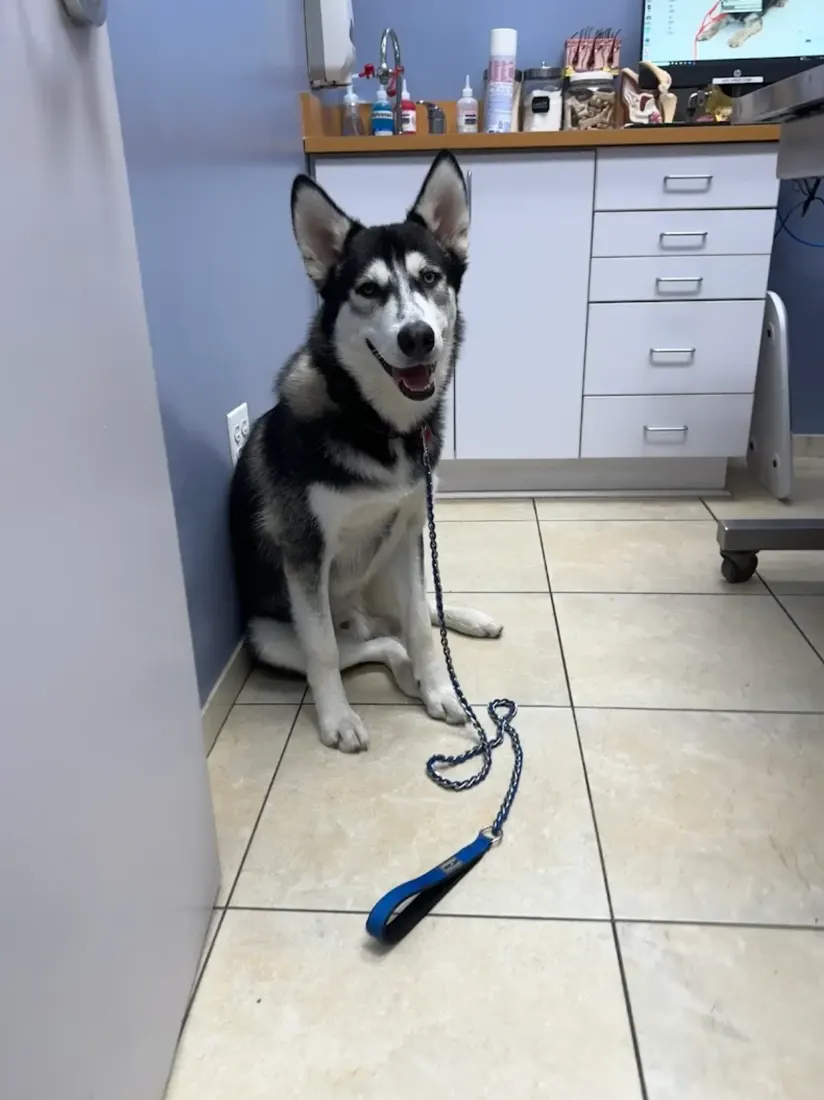
What Happens During a Wellness Exam?
A wellness exam typically takes 20–40 minutes, depending on your pet's needs and whether lab tests are done. Here's a step-by-step walkthrough:
- Check-in and history—You'll share any concerns and your pet's recent behavior, diet, and activity.
- Vital signs and weight—The vet or technician records temperature, pulse, respiration, and weight.
- Physical examination—A systematic nose-to-tail check, including eyes, ears, mouth, skin, heart, lungs, and abdomen.
- Vaccinations and preventives—If due, vaccines are given, and parasite prevention is discussed or administered.
- Lab tests (if recommended)—Blood, urine, or fecal samples may be collected for in-house analysis.
- Recommendations and next steps—The vet explains findings, suggests any follow-up, and answers your questions.
Our team at first vet visit ensures your pet stays comfortable throughout, using gentle handling and treats when appropriate.
What Does a Pet Wellness Exam Cost?
The cost of a wellness exam varies widely based on location, clinic type, and what's included. Generally, you can expect to pay between $50 and $150 for the exam itself, with additional costs for vaccines and lab tests.
| Factor | Why It Matters | Typical Range |
|---|---|---|
| Exam fee | Covers the vet's time and physical assessment | $50–$150 |
| Vaccinations | Core vaccines (e.g., rabies, distemper) and lifestyle vaccines | $15–$50 per vaccine |
| Lab tests | Bloodwork, urinalysis, fecal exam, heartworm test | $50–$200 total |
| Parasite prevention | Flea/tick and heartworm medications, often prescribed | $20–$80 per dose |
| Additional diagnostics | X-rays, ultrasound, or other tests if needed | Varies |
Many clinics offer first-exam deals for new clients. At Austin Veterinary Care, we provide a free first exam for new clients (terms apply). We accept major credit cards, cash, and CareCredit to help manage costs. For a precise quote, call us at (718) 480-6100.
What Lab Tests and Screenings Are Included?
Wellness exams often include baseline lab tests to screen for hidden conditions. Here's what might be recommended:
| Test | What It Screens For | How It's Done |
|---|---|---|
| Complete blood count (CBC) | Anemia, infection, inflammation, blood disorders | Blood sample |
| Biochemistry profile | Organ function (liver, kidneys, pancreas), electrolyte balance | Blood sample |
| Urinalysis | Urinary tract infections, kidney disease, diabetes | Urine sample |
| Fecal examination | Intestinal parasites (worms, giardia) | Stool sample |
| Heartworm test | Heartworm disease | Blood sample |
| Thyroid test (for older cats/dogs) | Hyperthyroidism or hypothyroidism | Blood sample |
These tests are especially important for senior pets or those with chronic conditions. Our in-house lab provides fast results, often within minutes, so we can act quickly if something's off.
Directions to our vet in Forest Hills from Rego Center
Start at Rego Center and head to Austin Veterinary Care at 68-60 Austin St Store #8, Forest Hills, NY 11375.
How Often Should Your Pet Have a Wellness Exam?
Most adult pets need a wellness exam once a year. However, puppies, kittens, and senior pets may need more frequent visits.
A good fit if…
- Your pet is a puppy or kitten (they need a series of exams and vaccines).
- Your pet is senior (7+ years) and may develop age-related issues.
- Your pet has a chronic condition like diabetes or kidney disease.
Consider another option if…
- Your pet is healthy and young—annual may be enough, but discuss with your vet.
- You're on a tight budget—some clinics offer wellness plans or discounts.
Your vet can tailor a schedule based on your pet's health and risk factors. For cats, indoor-only cats may need less frequent visits, but annual exams are still recommended. Learn more about how often to take your cat to the vet.
Why Wellness Exams Matter for Your Pet's Health
Wellness exams are the cornerstone of preventive care. They help detect problems early, when they're more treatable and less costly.
A good fit if…
- You want to catch issues like dental disease, obesity, or early kidney failure before they become serious.
- You value a long, healthy life for your pet.
Consider another option if…
- You only seek care when your pet is sick—but that's reactive, not preventive.
Regular exams also build a health baseline, making it easier to spot changes. The ASPCA recommends annual wellness exams for adult pets and more frequent visits for seniors (source: ASPCA).
How to Prepare for Your Pet's Wellness Exam
Preparation helps reduce stress and ensures a productive visit. Here's what to do:
- Bring records—If your pet is new, bring any previous vaccine or medical records.
- Collect a stool sample—If possible, bring a fresh fecal sample (within 24 hours) for parasite screening.
- Fast if needed—Some blood tests require fasting for 8–12 hours. Ask your vet beforehand.
- Prepare your pet—If your pet is anxious, consider a pheromone spray or a carrier with a familiar blanket.
- List questions—Write down any concerns about behavior, diet, or health.
Avoid feeding a large meal right before the visit, and let the vet know if your pet has been vomiting or has diarrhea. For more tips, see our guide on what to expect at a first vet visit.
Wellness Exams for Dogs and Cats in Forest Hills
If you're searching for a wellness exam near you in Forest Hills, Rego Park, or nearby Queens neighborhoods, Austin Veterinary Care is here to help.
- Call us—Dial (718) 480-6100 to schedule an appointment. We're open Mon 9 AM–6 PM, Tue 10 AM–7 PM, Thu 10 AM–7 PM, Fri 9 AM–6 PM. Closed weekends.
- Visit our clinic—We're located at 68-60 Austin St Store #8, Forest Hills, NY 11375, near Bramson ORT College and Yellowstone Park.
- Bring your pet—We see dogs and cats (small animals too). New clients get a free first exam (terms apply).
We accept major credit cards, cash, and CareCredit. For more details on our services, visit our main page.
Also asked as
- What is included in a pet wellness exam?
- What happens during a pet wellness exam?
- What does a wellness exam for a dog or cat include?
Frequently asked questions
How often should a dog have a wellness exam?
Adult dogs should have a wellness exam at least once a year. Puppies need more frequent visits for vaccinations and growth checks, and senior dogs (7+) may benefit from twice-yearly exams to monitor age-related conditions.
What are 7 signs that my dog is in pain?
Common signs include limping, excessive panting, restlessness, loss of appetite, hiding, aggression when touched, and changes in posture or vocalization. If you notice any of these, consult your vet promptly.
What is a wellness plan for pets?
A wellness plan is a subscription-based program that bundles routine care like exams, vaccines, and lab tests for a monthly fee, making preventive care more affordable. It's different from pet insurance, which covers unexpected illnesses.
What is the average cost of a dog wellness exam?
The average cost ranges from $50 to $150 for the exam itself, with additional costs for vaccines and lab tests. Total costs can be $100–$300 depending on what's included. Some clinics offer first-exam deals.
How long does a dog wellness exam take?
A typical wellness exam takes 20–40 minutes. If lab tests are done, allow an additional 15–30 minutes, though many clinics have in-house labs for quick results.