
What Is Considered Poor Quality of Life for a Dog?
Poor quality of life in a dog includes unmanageable pain, inability to move or eat, loss of interest in favorite activities, withdrawal from family, and frequent vomiting or seizures. If suffering outweighs joy and can't be controlled, it's time to talk to your vet.
What Is Considered Poor Quality of Life for a Dog? Key Signs to Watch For
Poor quality of life in a dog means that suffering—physical or emotional—outweighs the good moments. You know your dog best, but these signs can help you see the decline clearly.
- Chronic pain — Limping, whining, trembling, or flinching when touched can signal pain that isn't controlled.
- Loss of appetite — Refusing food or water for more than a day or two is a serious red flag.
- Inability to move comfortably — Trouble standing, walking, or climbing stairs, or reluctance to go outside.
- Breathing difficulties — Labored breathing, coughing, or gasping, especially at rest.
- Frequent vomiting, diarrhea, or seizures — These can indicate organ failure or neurological issues.
- Withdrawal from family routines — Hiding, avoiding interaction, or no longer greeting you at the door.
- Loss of interest in favorite activities — No longer wanting to play, go for walks, or even sniff around the yard.
- Poor sleep — Pacing, panting, or restlessness at night, often due to discomfort.
- Incontinence — Soiling the house without awareness or control.

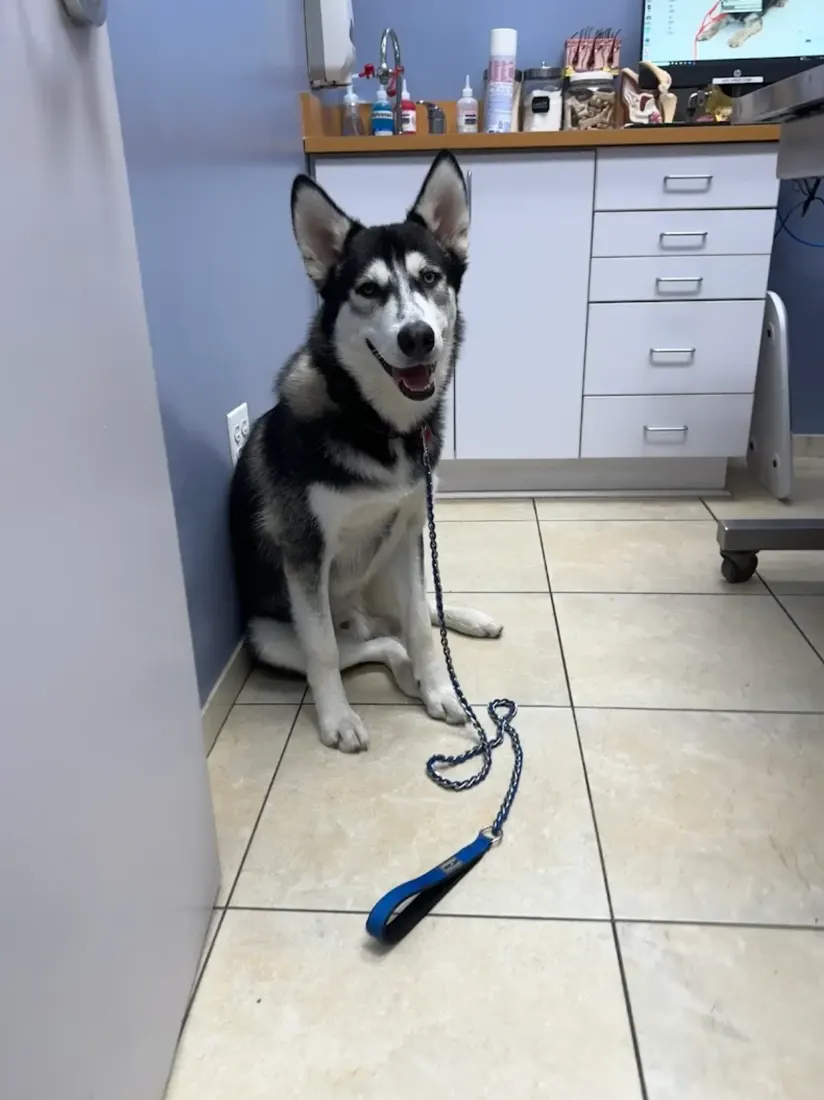

When Poor Quality of Life Means It's Time to Consider Euthanasia
A good fit for euthanasia if…
- Your dog's pain is unmanageable despite medication.
- They've stopped eating and drinking, or can't keep food down.
- They can't stand or walk on their own, or are in constant distress.
- They no longer respond to you or their environment.
Consider another option if…
- Your dog still has good days and enjoys eating, being petted, or going for short walks.
- Pain and symptoms can be controlled with medication or palliative care.
- You're unsure—get a second opinion from your vet.
Euthanasia is a personal decision, but it's also an act of kindness when suffering can't be relieved. Your vet can help you assess your dog's condition honestly and compassionately.
Overlooked Signs That Your Dog's Quality of Life Is Declining
Some signs are subtle, especially in senior dogs. Don't dismiss these quiet changes—they matter.
- Changes in sleep patterns — Sleeping more during the day, or being awake and restless at night.
- Loss of interest in food — Not just refusing meals, but ignoring treats they used to love.
- Decreased grooming — A dog that stops licking or cleaning themselves may be in pain or depressed.
- Increased vocalization — Whining, howling, or barking for no apparent reason can signal cognitive dysfunction or pain.
- Staring at walls or getting stuck in corners — A sign of cognitive dysfunction syndrome in dogs.
- Withdrawal from family — Choosing to be alone rather than near you is a common but often missed sign.
Using a Dog Quality of Life Scale to Measure Suffering
A quality of life scale helps you track your dog's condition objectively. The HHHHHMM scale scores seven areas—hurt, hunger, hydration, hygiene, happiness, mobility, and more good days than bad—from 1 to 10. A total below 35 often suggests poor quality of life.
| Category | What to Assess | Signs of Poor Score |
|---|---|---|
| Hurt | Pain control and breathing | Constant pain, panting, or struggling to breathe |
| Hunger | Appetite and ability to eat | Refusing food, losing weight |
| Hydration | Water intake and hydration status | Not drinking, dry gums, sunken eyes |
| Hygiene | Ability to stay clean | Soiled fur, unable to groom, incontinence |
| Happiness | Interest in activities and family | Withdrawn, no enthusiasm, hiding |
| Mobility | Ability to move and walk | Can't stand, needs help, falls |
| More good days than bad | Overall trend over time | Bad days outnumber good ones |
Track scores weekly and share them with your vet. A free dog quality of life calculator can help you stay consistent.
Palliative care
Palliative care for dogs focuses on relieving suffering and improving quality of life when a serious or terminal illness is present. It's not just about treating the disease—it's about addressing pain, nausea, mobility issues, and emotional well-being. This approach can be used alongside curative treatment or as the main goal when cure is no longer possible. Palliative care may include medications for pain and nausea, special diets, physical therapy, and adjustments to your home to make your dog more comfortable. The aim is to give your dog the best possible days, whatever time they have left. If your dog is facing a chronic or terminal condition, ask your vet about palliative care options to help manage symptoms and keep your companion comfortable.
Directions to our vet in Forest Hills from Parkside station
Start at Parkside station and head to Austin Veterinary Care at 68-60 Austin St Store #8, Forest Hills, NY 11375.
How to Discuss Your Dog's Quality of Life With Your Vet
- Prepare notes — Write down specific signs, when they started, and how often they occur.
- Bring a video — Show your vet your dog's mobility or behavior at home; it's more accurate than describing.
- Ask about pain management — Inquire about medications, palliative care, or hospice care for pets.
- Ask about prognosis — What is the expected course of the disease? Can symptoms be controlled?
- Ask about euthanasia timing — Your vet can help you know when it's the kindest choice.
If you're in Forest Hills or nearby, our team at Austin Veterinary Care is here to help. Call us at (718) 480-6100 or visit us at 68-60 Austin St Store #8.
What Does a Good Quality of Life for a Dog Look Like?
A good quality of life means your dog is comfortable, happy, and engaged. Here's what to look for:
- Enjoys food and treats — Eats with enthusiasm and maintains a healthy weight.
- Shows interest in play and walks — Excited to go outside, play with toys, or interact with you.
- Rests peacefully — Sleeps soundly and wakes refreshed.
- Interacts with family — Seeks affection, greets you, and enjoys being petted.
- Free from unmanageable pain — Moves comfortably and breathes easily.
For details on services and visits, see the main page about vet forest hills.
Sources
Also asked as
- What are the signs that a dog's quality of life is poor?
- How do I know if my dog is suffering?
- When is it time to let my dog go?
Frequently asked questions
What are 10 signs that it's time to put my dog down?
Signs include unmanageable pain, inability to eat or drink, breathing difficulties, frequent vomiting or diarrhea, loss of mobility, withdrawal from family, lack of interest in activities, poor sleep, incontinence, and more bad days than good. If you see several of these, consult your vet about quality of life and euthanasia.
How to tell if a dog has a good life?
A dog with a good life is happy, active, eats well, sleeps peacefully, and enjoys time with family. They show enthusiasm for walks, play, and affection, and are free from unmanageable pain or distress.
What is the silent killer of dogs?
Heart disease, especially dilated cardiomyopathy, is often called a silent killer because it can progress without obvious symptoms until sudden collapse. Regular vet checkups, including heart exams, can help catch issues early.