
When to Call the Vet for Dog Vomiting: A Complete Guide
Call the vet if your dog vomits more than 3 times in a day, vomits continuously for over 8 hours, shows blood, lethargy, or dehydration, or has vomiting with diarrhea lasting over 24 hours. For non-productive retching, seek emergency care immediately.
When to Call the Vet for Dog Vomiting: Clear Red Flags
You don't need to panic at the first heave, but you do need to know the threshold. Call your vet if your dog vomits more than 3 times in a day, vomits continuously for over 8 hours, or shows any red flags like blood, dehydration, or lethargy. Also call if vomiting persists after you've tried home care like withholding food for 12 hours.
A good fit if…
- Vomiting frequency is high: Your dog has thrown up 3 or more times within 8 hours.
- Duration is concerning: Vomiting has lasted more than one day, even if intermittent.
- Other symptoms appear: Diarrhea, fever, abdominal pain, or loss of appetite accompany the vomiting.
- Your dog is very young or old: Puppies and senior dogs dehydrate faster and need earlier intervention.
Consider another option if…
- It's a single episode: One isolated vomit with no other signs and your dog acts normal may not require a call.
- Your dog is otherwise fine: If they're eating, drinking, and playing, you can monitor closely for 24 hours.
How to decide: Track the number of episodes and watch for red flags. If in doubt, call us at (718) 480-6100. We're in Forest Hills, NY, and can advise you over the phone or see your dog for same-day urgent care during business hours.
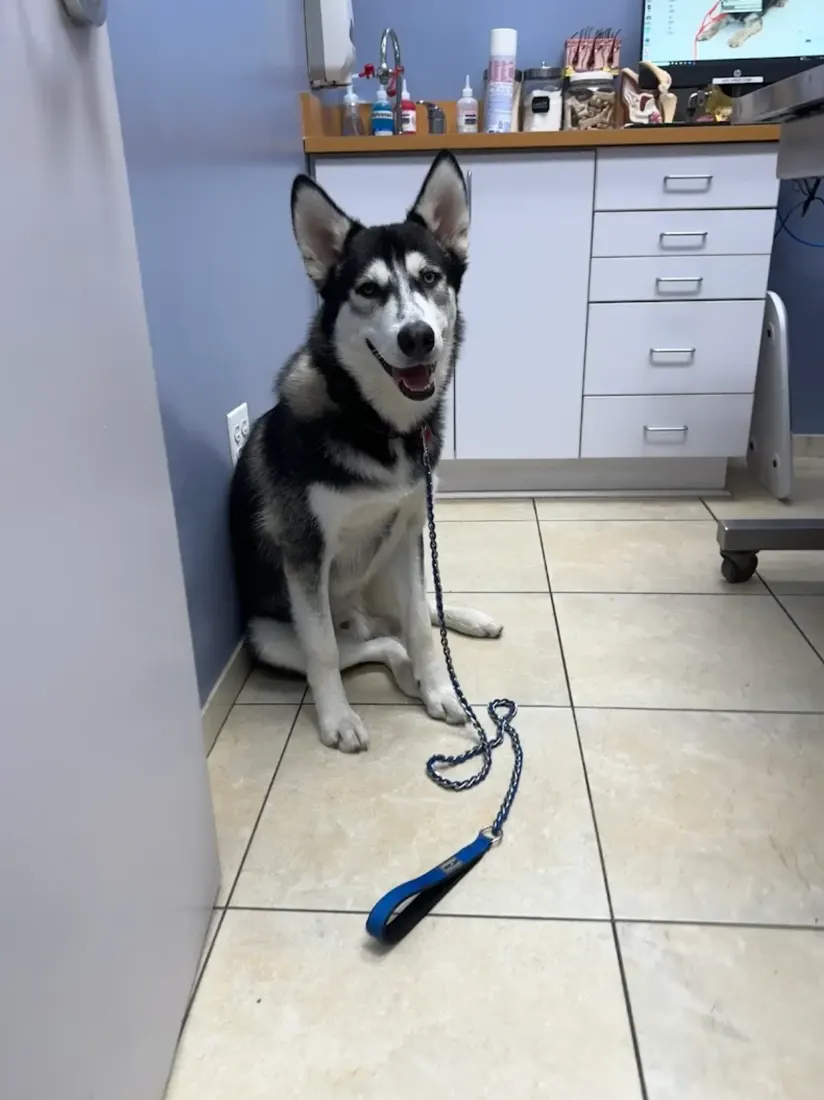

Dog Vomiting Emergencies: When to Go to the Vet Immediately
Some situations are true emergencies—don't wait for an appointment. Go to the nearest emergency vet immediately if your dog shows any of these signs.
- Blood in vomit: Red or dark coffee-ground-like material signals internal bleeding.
- Non-productive retching: Your dog tries to vomit but nothing comes up—this can be bloat (GDV), a life-threatening condition.
- Collapse or seizures: Loss of consciousness or convulsions require urgent care.
- Severe lethargy: Your dog won't get up, respond, or seems extremely weak.
- Signs of dehydration: Dry gums, sunken eyes, or skin that doesn't snap back when pinched.
- Vomiting with diarrhea lasting over 24 hours: This combination rapidly depletes fluids and electrolytes.
If you're in Forest Hills or nearby Rego Park, Kew Gardens, or Briarwood, you can call us at (718) 480-6100. We offer same-day urgent care during our business hours (Mon 9–6, Tue & Thu 10–7, Fri 9–6). If we're closed, head to the nearest 24-hour emergency hospital—time matters.
When to Call the Vet for Dog Vomiting and Diarrhea
Vomiting plus diarrhea is a double hit that escalates dehydration risk. Call the vet if both persist for more than 24 hours, or if either is severe (e.g., blood, frequent episodes) even within that window. Puppies, senior dogs, and small breeds can dehydrate faster, so don't wait as long.
A good fit if…
- Both symptoms continue past 24 hours: That's a clear sign to seek professional help.
- Your dog is showing weakness: Lethargy or reluctance to move suggests dehydration.
- There's blood in either: Blood in vomit or stool warrants immediate attention.
Consider another option if…
- Symptoms resolve within 24 hours: If your dog recovers quickly and acts normal, you may not need a vet visit.
- No other red flags: If they're drinking water and keeping it down, monitoring may be sufficient.
When in doubt, call us. We can help you decide over the phone and, if needed, see your dog for same-day urgent care at our Forest Hills clinic.
What to Do at Home While You Decide Whether to Call the Vet
While you're monitoring your dog, you can take safe steps to ease their stomach and prevent dehydration.
- Withhold food for 12 hours: Give your dog's stomach a rest. Water should still be available, but offer small amounts frequently.
- Provide hydration: Ice cubes or small sips of water every 30 minutes can help maintain hydration without triggering more vomiting.
- Introduce a bland diet: After 12 hours without vomiting, offer boiled chicken (no skin, no bones) and white rice in small, frequent meals.
- Monitor closely: Keep a log of how many times your dog vomits, what it looks like, and any other symptoms.
- Call the vet if vomiting resumes: If your dog vomits again after eating, or if they refuse water, contact us or another vet.
Remember, these steps are for mild cases. If your dog shows any emergency signs, skip home care and seek veterinary attention immediately.
Directions to our vet in Forest Hills from La Stella Restaurant
Start at La Stella Restaurant and head to Austin Veterinary Care at 68-60 Austin St Store #8, Forest Hills, NY 11375.
How to Know If Your Dog Is Okay After Vomiting
After a vomiting episode, watch for signs that your dog is recovering versus needing further care. Use this checklist to assess.
- Normal behavior: Your dog is alert, playful, and responsive to you.
- Drinking water: They're able to drink and keep water down.
- Eating without vomiting: They can eat a bland diet and keep it down for 12 hours.
- No repeated episodes: Vomiting has stopped and doesn't recur.
- Normal bathroom habits: No diarrhea or constipation.
- If any of these fail: Call the vet—persistent vomiting, lethargy, or dehydration are red flags.
If your dog checks all these boxes, they're likely on the mend. But if you're ever unsure, a quick call to us can provide peace of mind.
What Your Dog's Vomit Color and Type Can Tell You
Vomit appearance can offer clues, but it's not a diagnosis. Use this table as a general guide, and always consider other symptoms.
| Color/Type | Possible Meaning | Action |
|---|---|---|
| Yellow (bile) | Empty stomach, often in the morning—could be Bilious Vomiting Syndrome. | Try more frequent meals; if persistent, call vet. |
| Brown liquid | May indicate digested blood or intestinal blockage. | Call vet immediately. |
| Undigested food | Eating too fast or food intolerance. | Monitor; if repeats, discuss diet with vet. |
| White foam | Stomach acid or irritation. | Monitor; if frequent, call vet. |
| Green | Bile or grass ingestion. | Usually benign; watch for other signs. |
| Red or coffee-grounds | Blood in vomit. | Emergency—seek vet now. |
Vomiting is different from regurgitation: vomiting is active (heaving), while regurgitation is passive (food just comes up). If you're unsure, record a video for your vet.
Why Is My Dog Throwing Up But Acting Normal?
It's confusing when your dog vomits but then bounces around like nothing happened. This can happen with Bilious Vomiting Syndrome, where bile accumulates on an empty stomach, or with minor dietary indiscretion. In these cases, a single episode isn't alarming.
However, even if your dog acts normal, repeated vomiting (more than 3 times in a day) or vomiting that occurs daily warrants a vet visit. Conditions like gastroenteritis or early pancreatitis can start with vomiting while the dog still seems fine. If your dog vomits and then acts normal but does this regularly, mention it at your next check-up.
When Your Dog Is Trying to Vomit but Can't: A Critical Sign
Non-productive retching—your dog heaves but nothing comes up—is a red flag for bloat (GDV), a life-threatening emergency where the stomach twists. This requires immediate veterinary intervention. Do not wait to see if it passes.
A good fit if…
- Your dog is retching without producing vomit: Go to the emergency vet now.
- There's abdominal swelling: Another sign of bloat—act fast.
Consider another option if…
- Your dog actually vomits: If they produce vomit, it's not non-productive retching, but still monitor closely.
If you see this sign, call us or go to the nearest emergency vet immediately. Time is critical for bloat.
For details on services and visits, see the main page about vet forest hills.
Sources
Also asked as
- How long should a dog throw up before going to the vet?
- How many times is too much for a dog to vomit?
- When is dog vomiting an emergency?
Frequently asked questions
My dog threw up three times in a row. Should I be worried?
Yes, that's a red flag. Vomiting three or more times in a day, especially in a row, warrants a call to your vet. It could indicate a more serious issue like pancreatitis or an obstruction.
When should I take my cat to the vet for diarrhea?
Cats are different from dogs. If your cat has diarrhea for more than 24 hours, or if it's accompanied by vomiting, lethargy, or blood, call your vet. Cats can dehydrate quickly.
Is there a difference between vomiting and regurgitation?
Yes. Vomiting is an active process with heaving and abdominal contractions, while regurgitation is passive—food just comes up without effort. Regurgitation often points to esophageal issues.
How do I know if my dog is ok after vomiting?
Watch for normal behavior, drinking water, eating without vomiting, and no repeated episodes. If your dog checks these boxes, they're likely fine. If not, call your vet.
What soothes a dog's stomach after throwing up?
After a 12-hour fast, offer small amounts of water and then a bland diet of boiled chicken and rice. Avoid fatty foods and treats. If vomiting resumes, call your vet.