
Why Are Emergency Vet Hospitals So Expensive? Real Answers
Emergency vet hospitals are expensive because they operate 24/7 with intensive care capabilities, advanced diagnostics, and specialized staff—costs that are reflected in every bill.
Why Are Emergency Vet Hospitals So Expensive? The Real Cost Drivers
Emergency vet hospitals are expensive because they are essentially 24/7 intensive care units for pets. Unlike a regular vet clinic, they must be ready for any emergency at any hour, which means maintaining a full team, advanced equipment, and a facility that never closes. That level of readiness comes at a high price, and it's reflected in your bill.
| Cost Driver | Why It Matters | Typical Range (General) |
|---|---|---|
| Overnight staffing | Veterinarians, technicians, and support staff must be available 24/7, including nights, weekends, and holidays. | Varies; often a significant portion of the bill |
| Advanced diagnostics | CT, MRI, ultrasound, and in-house labs allow rapid, accurate diagnosis but are expensive to buy and maintain. | Hundreds to thousands per scan or procedure |
| Specialized expertise | Criticalists (veterinary specialists) and emergency vets command higher salaries due to their training. | Varies by region and experience |
| Overhead costs | Rent, utilities, insurance, and equipment for a large facility that operates around the clock. | Varies; higher in urban areas like Forest Hills |
| Medications and supplies | Emergency drugs, IV fluids, bandages, and surgical supplies are used at a moment's notice. | Varies; often marked up to cover inventory |
| Rapid-response capability | The hospital must be ready for anything, which means keeping staff and equipment on standby even when idle. | Reflected in exam fees and facility charges |
The exact numbers depend on your pet's condition, the hospital, and your location. For a clear estimate, call ahead or ask for a written estimate before treatment.
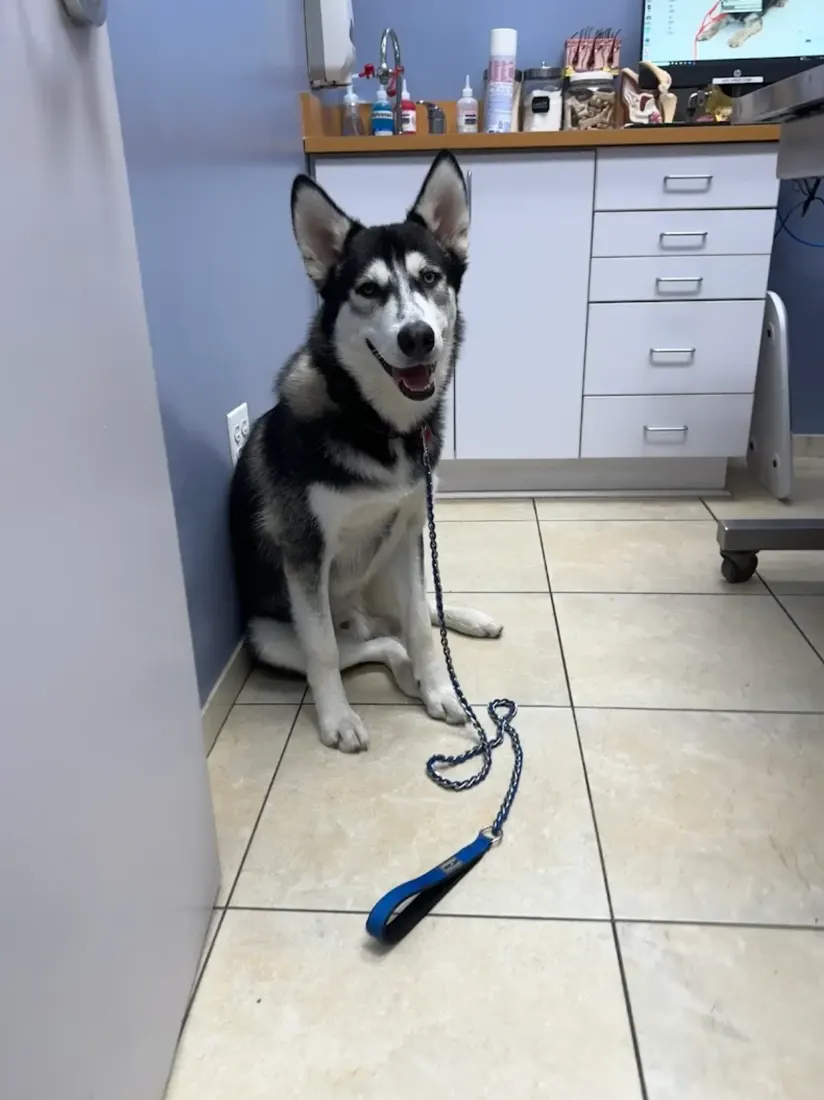



Can't Afford the Emergency Vet? Here Are Your Options Right Now
If you're facing a high emergency vet bill and don't have the cash, you still have options. Acting quickly can make a difference.
- Ask for a written estimate — Before any treatment, request an itemized estimate. This helps you understand costs and decide what's essential.
- Discuss payment plans — Many emergency hospitals offer in-house payment plans or work with third-party financing. Ask about terms and interest.
- Apply for CareCredit — CareCredit is a healthcare credit card that covers veterinary expenses. You can apply online or at the clinic; approval often takes minutes.
- Check for low-cost clinics — Some areas have low-cost veterinary clinics or charitable programs that offer reduced fees for emergencies. Search locally or ask your regular vet for referrals.
- Consider pet insurance for future — If your pet is stable, look into pet insurance to help with future emergencies. It won't cover this bill, but it can protect you later.
- Call us for guidance — At Austin Veterinary Care in Forest Hills, we offer same-day urgent care during business hours and can help you navigate options. Call (718) 480-6100.
Emergency Vet Visit Cost: What You'll Really Pay (With and Without Insurance)
The cost of an emergency vet visit varies widely based on location, the hospital's level of care, and your pet's condition. Here's a general breakdown to help you budget.
| Item | Without Insurance | With Insurance |
|---|---|---|
| Exam fee | $100–$200 | Often covered after deductible |
| Diagnostics (blood work, X-rays) | $200–$500 | Partially covered, depending on plan |
| Advanced imaging (CT, MRI) | $1,000–$3,000 | Partially covered, often with limits |
| Emergency surgery | $1,500–$5,000+ | Partially covered, up to policy limits |
| Hospitalization (per night) | $500–$1,500 | Partially covered |
These are general ranges; actual costs vary by hospital and region. For a specific quote, contact the emergency hospital directly or ask for an estimate during your visit.
Why Vet Bills Have Skyrocketed in Recent Years (It's Not Just Inflation)
Vet costs have risen sharply, and while inflation plays a role, it's not the whole story. Veterinary medicine has advanced dramatically—pets now receive treatments that were once only available to humans, like chemotherapy, MRI scans, and complex surgeries. These modern capabilities require expensive equipment and specialized training, which drives up costs.
Employment costs have also increased. Veterinarians and technicians demand fair wages, and the shortage of veterinary professionals has pushed salaries higher. Plus, the pet industry has seen a surge in demand, especially after the pandemic pet boom, leading to higher prices across the board.
Finally, overhead costs—rent, utilities, insurance, and maintaining a 24/7 facility—have all risen. Emergency vet hospitals, in particular, run as 24/7 intensive care units, which means they must keep staff and resources ready at all times, even when not in use. That readiness is a luxury that comes with a price tag.
BluePearl Specialty and Emergency Pet Hospital
BluePearl Specialty and Emergency Pet Hospital is a large network of veterinary hospitals across the United States, providing specialty and emergency care for pets. They are known for their advanced facilities and teams of specialists, including criticalists, surgeons, and internists. BluePearl also plays a significant role in veterinary education, offering residency and internship programs to train the next generation of veterinarians. For pet owners, BluePearl represents the high end of emergency veterinary care, with 24/7 availability and advanced diagnostics, which comes with a correspondingly high price tag. If you're facing an emergency, understanding that such hospitals operate like human hospitals—with specialists, equipment, and round-the-clock staffing—can help you prepare for the costs involved.
Directions to our vet in Forest Hills from The Church-in-the-Gardens
Start at The Church-in-the-Gardens and head to Austin Veterinary Care at 68-60 Austin St Store #8, Forest Hills, NY 11375.
Emergency Vet vs. Regular Vet: Is the Price Difference Worth It?
| Factor | Emergency Vet | Regular Vet |
|---|---|---|
| Availability | 24/7, including nights and weekends | Business hours only (often closed weekends) |
| Cost | Higher exam fees and overall charges | Lower exam fees, more predictable pricing |
| Capabilities | Advanced diagnostics, surgery, intensive care | Routine care, basic diagnostics, some procedures |
| Wait time | May be long, but sees emergencies immediately | Appointments scheduled, but may have openings |
| Specialists | Criticalists and emergency vets on staff | General practitioners, may refer to specialists |
A good fit if…
- Your pet has a life-threatening emergency (e.g., difficulty breathing, severe bleeding, poisoning).
- It's after hours or on a weekend, and your regular vet is closed.
- Your regular vet lacks the equipment for advanced diagnostics or surgery.
Consider another option if…
- Your pet's issue is non-urgent and can wait for a regular appointment.
- You're on a tight budget and the emergency hospital's fees are prohibitive.
- Your regular vet can handle the issue during business hours.
In a true emergency, the higher cost is worth it. For non-urgent issues, waiting for your regular vet can save you money. If you're unsure, call your regular vet or an emergency hospital for guidance.
What Pet Owners Are Saying About Emergency Vet Bills (Real Stories)
Many pet owners share the same shock when they see emergency vet bills. On forums like Reddit, people often discuss how a simple visit can cost hundreds, and surgeries can run into the thousands. One common theme is that the cost reflects the level of care—owners who went through a critical emergency often say they'd pay anything to save their pet, but they wish they'd known the costs upfront.
Others point out that emergency vets are more expensive than regular vets because of the 24/7 availability and advanced equipment. Some owners recommend asking for itemized estimates and comparing prices, while others suggest pet insurance to soften the blow. The consensus: it's expensive, but for many, it's worth it when your pet's life is on the line.
Does Location Matter? Emergency Vet Costs in California, NYC, and Beyond
Yes, location significantly affects emergency vet costs. In areas like California and New York City, overhead costs are higher—rent, utilities, and staff salaries are more expensive—so emergency hospitals charge more to cover those expenses. In Forest Hills, NY, for example, you can expect costs to be on the higher end compared to rural areas.
| Location | Typical Exam Fee Range | Notes |
|---|---|---|
| New York City (including Forest Hills) | $150–$250 | High overhead, high demand |
| California (major cities) | $120–$220 | Similar to NYC, varies by city |
| Midwest or rural areas | $80–$150 | Lower overhead, but still expensive for emergencies |
These ranges are general and vary by hospital. For a precise estimate, call the emergency hospital directly or ask for a quote during your visit.
For details on services and visits, see the main page about vet forest hills.
Sources
Also asked as
- Why is the emergency vet so pricey?
- What makes emergency vet visits cost so much?
- Why do vet ER bills seem so high?
Frequently asked questions
Are ER vets more expensive than regular vets?
Yes, emergency vets are more expensive than regular vets. They charge higher exam fees and overall costs because they operate 24/7, have advanced diagnostic equipment, and employ specialists who command higher salaries. For non-urgent issues, visiting a regular vet during business hours can save you money.
What happens if you can't afford a pet surgery?
If you can't afford pet surgery, discuss payment options with the vet. Many clinics offer payment plans or work with financing companies like CareCredit. You can also look into low-cost veterinary clinics, charitable organizations, or crowdfunding. In some cases, the vet may recommend a less expensive alternative treatment, but it's important to communicate your financial limits upfront.
Can a vet keep your pet if you can't pay?
In most cases, a vet cannot keep your pet permanently, but they may hold the pet until the bill is paid. However, they can take legal action to collect the debt. It's best to discuss payment options before treatment and ask for a written estimate to avoid surprises.
Can I get EBT for my dog?
No, EBT (food stamps) is for human food only and cannot be used for pet food or veterinary expenses. However, some pet food banks and assistance programs may help low-income owners. Check with local shelters or organizations for free pet food resources.
Can I add my pet to my Medicaid?
No, Medicaid is for human healthcare only and does not cover veterinary expenses. You'll need pet insurance or a healthcare credit card like CareCredit to help with vet bills. Some low-income assistance programs for pets exist, but they are separate from Medicaid.