
How Can I Comfort My Dog in Pain? Vet-Approved Tips
To comfort a dog in pain, first recognize the signs, then create a quiet, warm space with soft bedding. Use gentle massage, warm compresses, and limit activity. Never give human painkillers; consult a vet for safe options.
How Can I Tell If My Dog Is in Pain?
Dogs are naturally stoic, so they often hide pain until it's severe. Watch for changes in behavior, movement, and daily habits. The earlier you recognize the signs, the sooner you can comfort them and seek help. Here's what to look for:
- Changes in posture or movement — A dog in pain may hunch their back, hold their head low, limp, or resist jumping onto furniture or into the car.
- Vocalizations — Whining, whimpering, yelping, or growling when touched or moving can signal discomfort, especially if it's new behavior.
- Changes in appetite or thirst — A sudden loss of interest in food or water, or drinking much more than usual, can be a pain-related sign.
- Restlessness or difficulty settling — Pacing, circling, or being unable to find a comfortable position often means they're hurting.
- Excessive grooming or licking — Dogs may lick, chew, or bite at a painful area, such as a joint, paw, or surgical site.
- Changes in sleep patterns — Sleeping more than usual, or being unable to sleep through the night, can indicate discomfort.
- Behavioral changes — A normally friendly dog may become withdrawn, irritable, or aggressive when approached. They might hide or avoid interaction.
- Changes in breathing — Rapid, shallow breathing or panting without exertion can be a sign of pain, especially if accompanied by other symptoms.
If you notice any of these signs, especially several at once, it's important to assess the situation and consider whether your dog needs veterinary attention. For a deeper look at what constitutes a poor quality of life, see our guide on quality of life.

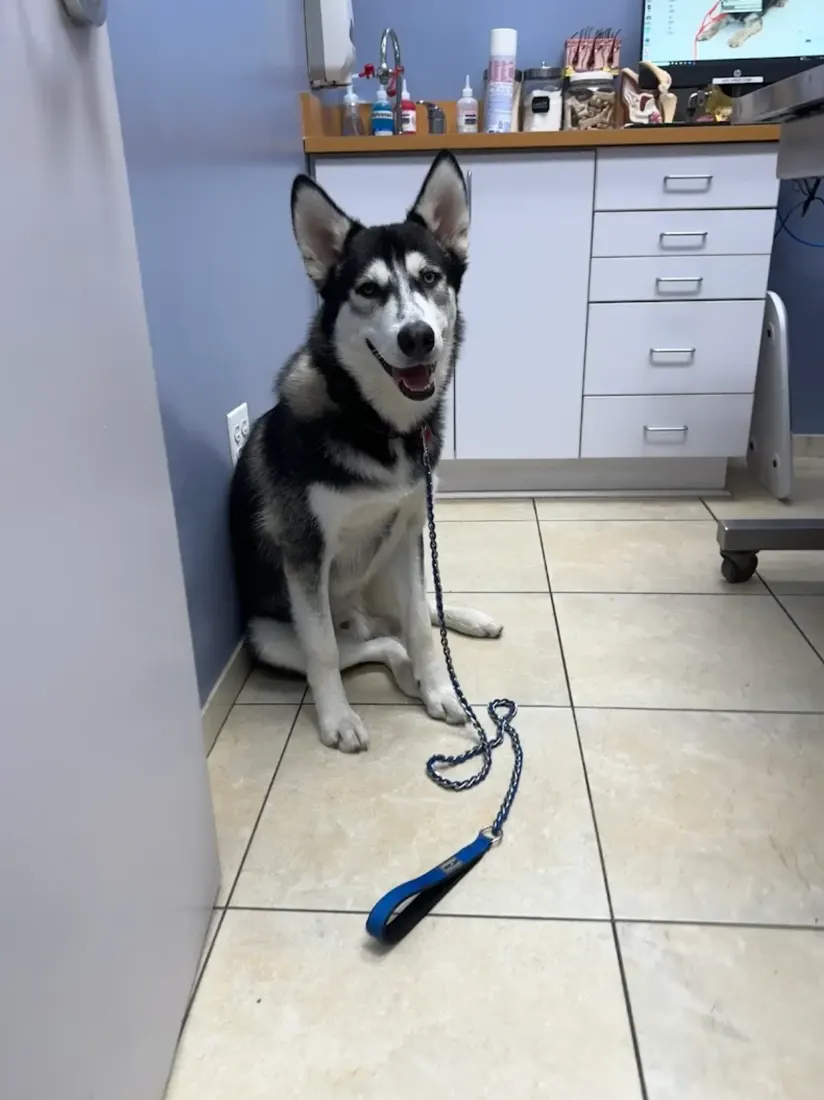


How Can I Comfort My Dog in Pain at Home?
When your dog is in pain, your instinct is to help immediately. While you can't replace veterinary care, there are safe, hands-on ways to provide comfort at home. Always approach gently and stop if your dog shows signs of distress. Here are steps you can take right now:
- Create a quiet, comfortable space — Set up a soft bed in a calm, low-traffic area. Keep the room at a comfortable temperature, and provide easy access to water. Minimize noise and activity to help your dog relax.
- Use gentle heat or cold therapy — For muscle or joint pain, apply a warm compress (like a towel warmed in the dryer) for 10–15 minutes. For recent injuries or swelling, use a cold pack wrapped in a towel for 10 minutes at a time. Always check the skin to avoid burns or frostbite.
- Provide gentle massage and touch — Lightly stroke your dog's back, ears, or head, avoiding the painful area. Some dogs find slow, rhythmic petting soothing. Watch for signs of relaxation, like a soft body or a wagging tail.
- Help them with daily activities — If your dog has trouble getting up or moving, use a sling or towel under their belly for support. Keep food and water bowls elevated and within easy reach. Limit stairs and jumping.
- Maintain a calm, reassuring presence — Your dog picks up on your emotions. Speak in a soft, soothing voice and stay relaxed. Being nearby can reduce their anxiety and help them feel safe.
- Monitor and document symptoms — Keep a log of when pain seems worse, what helps, and any new signs. This information is invaluable when you talk to your vet.
These steps are meant for temporary comfort, not a substitute for professional care. If your dog's pain persists or worsens, contact your vet. For ongoing support, our quality of life tool can help you assess their overall well-being.
What Can I Give My Dog for Pain Relief?
When your dog is in pain, you may wonder if you can give them something from your medicine cabinet. The short answer: never give human pain relievers without your vet's approval. Many common medications are toxic to dogs. Here's a breakdown of what's safe and what's not.
| Option | Is It Safe? | Why | What to Do |
|---|---|---|---|
| Human NSAIDs (ibuprofen, naproxen) | No | Can cause stomach ulcers, kidney failure, and even death. | Never give these. Call your vet immediately if your dog ingests them. |
| Acetaminophen (Tylenol) | No | Can damage the liver and red blood cells, even in small doses. | Never give this. It's especially dangerous for dogs. |
| Aspirin | Only with vet approval | Can cause bleeding and stomach issues; dosing is tricky. | Ask your vet for the correct dose and form. Never use enteric-coated or baby aspirin without guidance. |
| Veterinary-prescribed NSAIDs (e.g., carprofen, meloxicam) | Yes, with prescription | Specifically formulated for dogs and safer when used as directed. | Give exactly as prescribed. Never adjust the dose without your vet. |
| Natural supplements (glucosamine, omega-3s) | Generally safe, but not immediate | Support joint health over time, not acute pain relief. | Use as directed, and check with your vet for quality and dosage. |
| CBD products | Varies | Research is limited; quality and dosing vary widely. | Talk to your vet before using. Not all products are safe or effective. |
Never guess at a dose. Even a "safe" medication can be harmful if given incorrectly. Your vet can prescribe the right pain reliever for your dog's specific condition. If you're concerned about costs, we have resources to help with vet bills.
When to See a Vet for Your Dog's Pain
Some pain can be managed at home, but many situations require professional care. Call your vet right away if your dog shows any of these signs: severe pain (whining, shaking, refusing to move), sudden lameness, swelling, fever, vomiting, diarrhea, or if they've ingested something toxic. Also seek help if pain lasts more than 24 hours or if your dog stops eating or drinking.
At Austin Veterinary Care, we offer same-day urgent care during business hours, so you don't have to wait for relief. Our in-house lab and diagnostic tools let us pinpoint the cause quickly—whether it's an injury, infection, or chronic condition like arthritis. We're located in Forest Hills, near landmarks like Yellowstone Park and the 63rd Drive–Rego Park station, making it easy to reach us. If you're unsure, it's always better to call. We can advise you over the phone and, if needed, see you the same day. For more on what to expect, see our vet services page.
For details on services and visits, see the main page about vet forest hills.
Directions to our vet in Forest Hills from 63rd Drive–Rego Park station
Start at 63rd Drive–Rego Park station and head to Austin Veterinary Care at 68-60 Austin St Store #8, Forest Hills, NY 11375.
Sources
Also asked as
- How do I comfort my dog in pain at home?
- What can I give my dog for pain relief?
- When should I take my dog to the vet for pain?
Frequently asked questions
How can I ease my dog's pain at home?
Create a quiet, comfortable space with soft bedding, limit physical activity, and use a warm compress or heating pad on low for muscle soreness. Gentle massage around the painful area can help, but avoid pressing directly on it. Always consult your vet before giving any medication.
What are three signs your dog is suffering?
Three common signs are changes in behavior (like withdrawal or aggression), vocalizations (whining or yelping), and mobility issues (limping or reluctance to move). Other signs include appetite loss, excessive panting, and abnormal posture.
What are 7 signs that my dog is in pain?
Seven signs include: 1) limping or stiffness, 2) whining or whimpering, 3) reduced appetite, 4) restlessness or inability to settle, 5) excessive panting, 6) hiding or avoiding interaction, and 7) aggression when touched. These warrant a vet check.
Can I give my dog anything for pain without a vet?
No. Human pain relievers like ibuprofen, naproxen, and acetaminophen are toxic to dogs and can be fatal. Even aspirin requires veterinary guidance. Never self-medicate your dog; call your vet for safe options.
Can you give dogs Tylenol or aspirin?
No. Tylenol (acetaminophen) is extremely dangerous for dogs, causing liver damage and red blood cell damage. Aspirin can cause stomach ulcers and bleeding. Only give medications explicitly prescribed by your veterinarian.