
What Month Is Hardest with a Puppy? A Vet's Guide
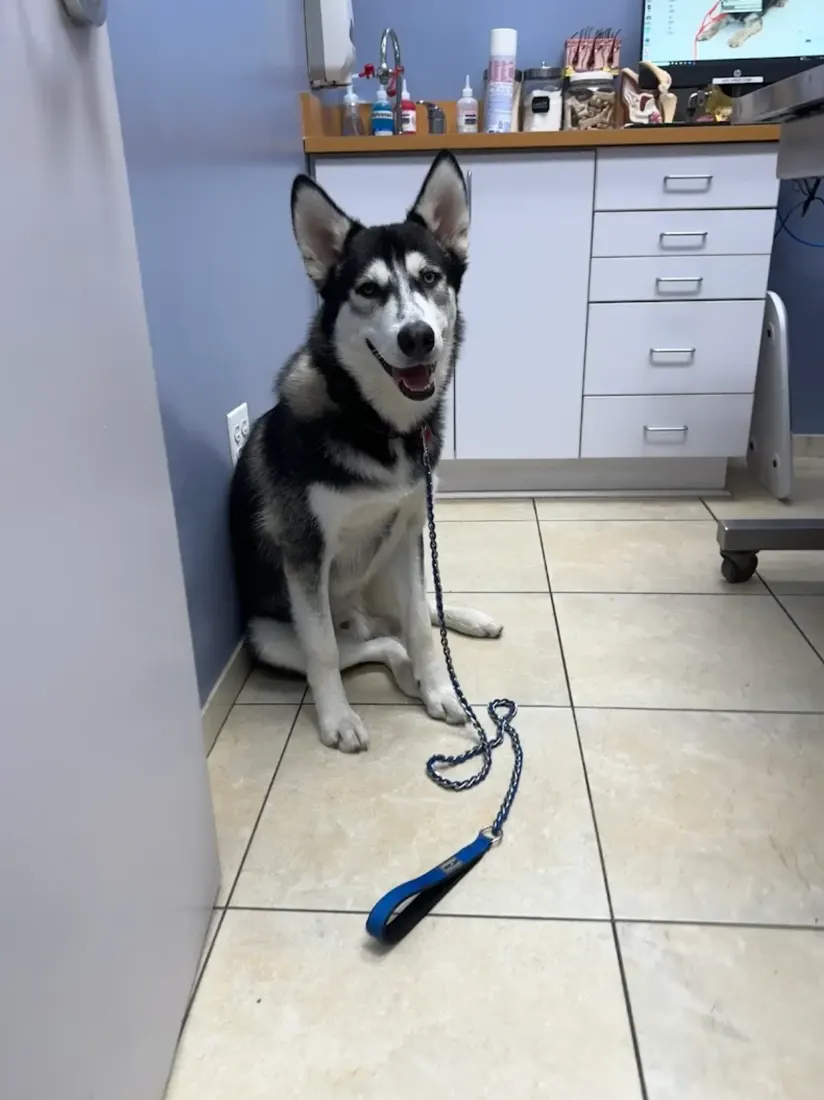
The hardest month with a puppy is usually around 6–9 months of age, when adolescence hits. During this teenage phase, puppies test boundaries, forget training, and act rebellious. It's normal, but it requires patience, consistency, and sometimes professional help.
What Month Is Hardest with a Puppy? The Short Answer
Most veterinarians and trainers agree: the hardest month with a puppy is around 6–9 months of age, during the adolescent phase. This is when your pup's hormones kick in, and they start testing boundaries like a teenager. But the entire period from 6 to 18 months can be challenging, with peaks at different times.
| Age Range | Stage | What's Hard | Why It's Hard |
|---|---|---|---|
| 8–12 weeks | Early socialization | Potty training, biting, separation anxiety | New environment, learning rules, teething begins |
| 3–4 months | Teething & fear period | Chewing, nipping, sudden fear of new things | Adult teeth coming in, brain development |
| 5–6 months | Pre-adolescence | Energy spikes, testing limits, selective hearing | Hormones starting, more independence |
| 6–9 months | Adolescence (peak) | Boundary testing, regression in training, destructiveness | Sexual maturity, brain rewiring, confidence |
| 10–12 months | Late adolescence | Stubbornness, leash pulling, ignoring commands | Still hormonal, but gradually settling |
| 12–18 months | Young adult | Occasional relapses, but improving | Hormones leveling out, more focus |
| 18–24 months | Adult | Much calmer, reliable | Brain fully mature, routine established |
If you're in the thick of the teenage phase, know that it's temporary. Consistency and patience now pay off with a well-adjusted adult dog. For more guidance, visit our Forest Hills vet team—we're here to help.

Puppy Development Month by Month: What to Expect
Understanding your puppy's development helps you anticipate challenges. Here's a month-by-month snapshot of what's normal.
| Month | Key Milestones | Common Challenges |
|---|---|---|
| 2 months (8 weeks) | Weaned, starting socialization | Potty training accidents, biting |
| 3 months (12 weeks) | Fear period begins, vaccinations ongoing | Sudden shyness, chewing |
| 4 months (16 weeks) | Teething peaks, adult teeth coming | Destructive chewing, nipping |
| 5 months (20 weeks) | Energy increases, testing limits | Selective hearing, jumping |
| 6 months (24 weeks) | Adolescence starts, hormones surge | Boundary testing, regression |
| 7–9 months | Peak adolescence, confidence grows | Stubbornness, leash pulling |
| 10–12 months | Gradual calming, but still teenage | Occasional defiance |
Remember, every puppy is an individual. Some sail through adolescence, others test you daily. If you're concerned about your pup's development, a vet visit can help.
Puppy Adolescence: What to Expect from 6 to 18 Months
Puppy adolescence is one of the toughest periods of development. Around 6–18 months, your once-angelic pup may turn into a rebellious teen. Here's what typically happens.
- Boundary testing: Your puppy will push limits—ignoring commands, stealing items, and testing your patience. This is normal as they assert independence.
- Training regression: House training may slip, and previously learned cues seem forgotten. Don't panic; it's not permanent. Reinforce basics with positive reinforcement.
- Increased energy: Adolescent pups have boundless energy. Without enough exercise and mental stimulation, they may become destructive.
- Fear periods: Brief windows where your pup may be scared of things they previously handled fine. Be patient and don't force them.
- Mouthiness and nipping: Teething may resurface, and play biting can intensify. Redirect to appropriate toys.
This phase is temporary, but it's also when many owners give up. Stick with it—the payoff is a loyal adult companion. If you need support, our team in Forest Hills is here.
How to Survive the Hardest Puppy Months: Tips That Work
Surviving adolescence requires strategy. These steps help you manage the chaos and keep your sanity.
- Maintain a routine: Dogs thrive on predictability. Keep feeding, walks, and training times consistent to reduce anxiety.
- Increase exercise: A tired puppy is a good puppy. Aim for age-appropriate physical activity—walks, fetch, or play—to burn off energy.
- Use mental stimulation: Puzzle toys, training sessions, and nose work tire the brain, which is just as important as physical exercise.
- Reinforce training daily: Short, positive sessions (5–10 minutes) on basic cues help keep their skills sharp.
- Manage the environment: Use crate training and baby gates to prevent destructive chewing when unsupervised.
- Stay calm and consistent: Your reaction shapes their behavior. Avoid punishment; use redirection and rewards.
If you're struggling, know you're not alone. Many owners in Rego Park and nearby areas face the same challenges. Professional guidance can make a difference.
Directions to our vet in Forest Hills from Elmhurst Sculpture Garden
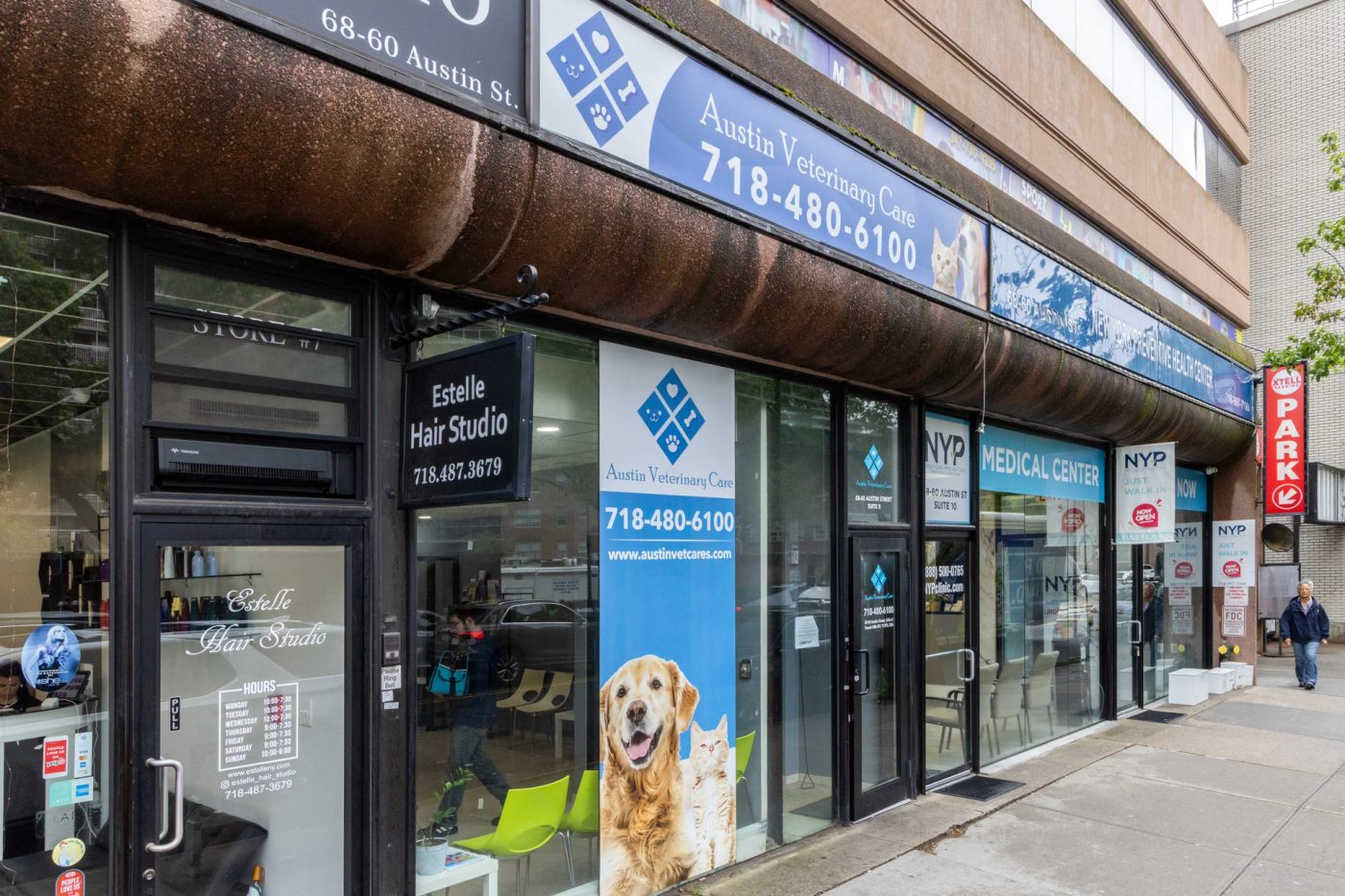
Start at Elmhurst Sculpture Garden and head to Austin Veterinary Care at 68-60 Austin St Store #8, Forest Hills, NY 11375.
When to Call the Vet: Is It Normal Puppy Behavior or a Problem?
Most adolescent behavior is normal, but some signs warrant professional help. Here's how to decide.
A good fit if…
- Aggression is sudden or severe: Growling, snapping, or biting beyond play can indicate a deeper issue.
- Destructiveness is extreme: Chewing walls, doors, or self-harm needs evaluation.
- Anxiety is paralyzing: If your puppy can't settle, trembles, or panics, it may be a fear period or anxiety disorder.
- Training regression persists: If house training lapses continue beyond a few weeks, a medical cause (like a UTI) might be involved.
Consider another option if…
- It's typical teenage behavior: Boundary testing, occasional accidents, and stubbornness are normal.
- You just need guidance: A trainer or behaviorist can help before involving medical intervention.
When in doubt, call us at (718) 480-6100. We'll help you distinguish normal adolescence from a problem. Early intervention is key.
Do Puppies Calm Down? When to Expect a More Relaxed Dog
Yes, puppies do calm down—but it takes time. Most dogs settle significantly by 18–24 months, though the timeline varies by breed and individual.
| Age | Energy Level | Calmness |
|---|---|---|
| 8–12 weeks | High, but sleeps a lot | Needs frequent naps |
| 3–6 months | Very high, bursts of energy | Still hyper, but trainable |
| 6–12 months | Peak energy, adolescence | Can be frantic, but improving |
| 12–18 months | Moderate to high | Gradual settling |
| 18–24 months | Moderate | Noticeably calmer |
| 2+ years | Adult level | Generally relaxed |
If your pup is still bouncing off walls at 2 years, that may be their personality. But with proper exercise and training, most dogs become wonderful companions.
The 3-3-3 Rule: A Timeline for Your Puppy's Adjustment
The 3-3-3 rule helps you understand your new puppy's adjustment period—especially if you adopted during a tough month.
- First 3 days: Your puppy may feel overwhelmed, nervous, and unsure. Give them space, a quiet area, and let them decompress.
- First 3 weeks: They start to settle in, learn routines, and show their personality. This is when training and bonding begin.
- First 3 months: Trust is built, and your puppy feels at home. Behavior stabilizes, and you'll see their true nature.
If you're in the first 3 days, be patient. The hardest part is temporary. Our Forest Hills vet team supports new puppy owners every step of the way.
Sources
Also asked as
- What age is the hardest puppy stage?
- What month is hardest with a puppy reddit
- 24 week old puppy in months
Frequently asked questions
Do puppies calm down?
Yes, most puppies calm down significantly by 18–24 months as they reach adulthood. However, some breeds remain high-energy throughout life. Consistent exercise and training help speed the process.
Are puppies more difficult than babies?
It depends on the perspective. Puppies require constant supervision, training, and energy, similar to a toddler. But puppies mature faster—within a couple of years—while babies need years of care. Many owners find the puppy phase challenging but shorter.
What are puppies like at 3 months?
At 3 months, puppies are in the teething phase and may be entering a fear period. They're energetic, curious, and bitey. They need socialization, gentle training, and plenty of chew toys. This is a critical time for positive experiences.
What is the 3-3-3 rule with puppies?
The 3-3-3 rule describes a new dog's adjustment: 3 days to decompress, 3 weeks to learn your routine, and 3 months to bond fully. It helps owners set realistic expectations and be patient during the transition.
What age is the hardest puppy stage?
Most experts agree the hardest stage is adolescence, around 6–18 months, with the peak at 6–9 months. During this time, puppies test boundaries, regress in training, and have high energy. It's a normal phase that requires consistency and patience.